


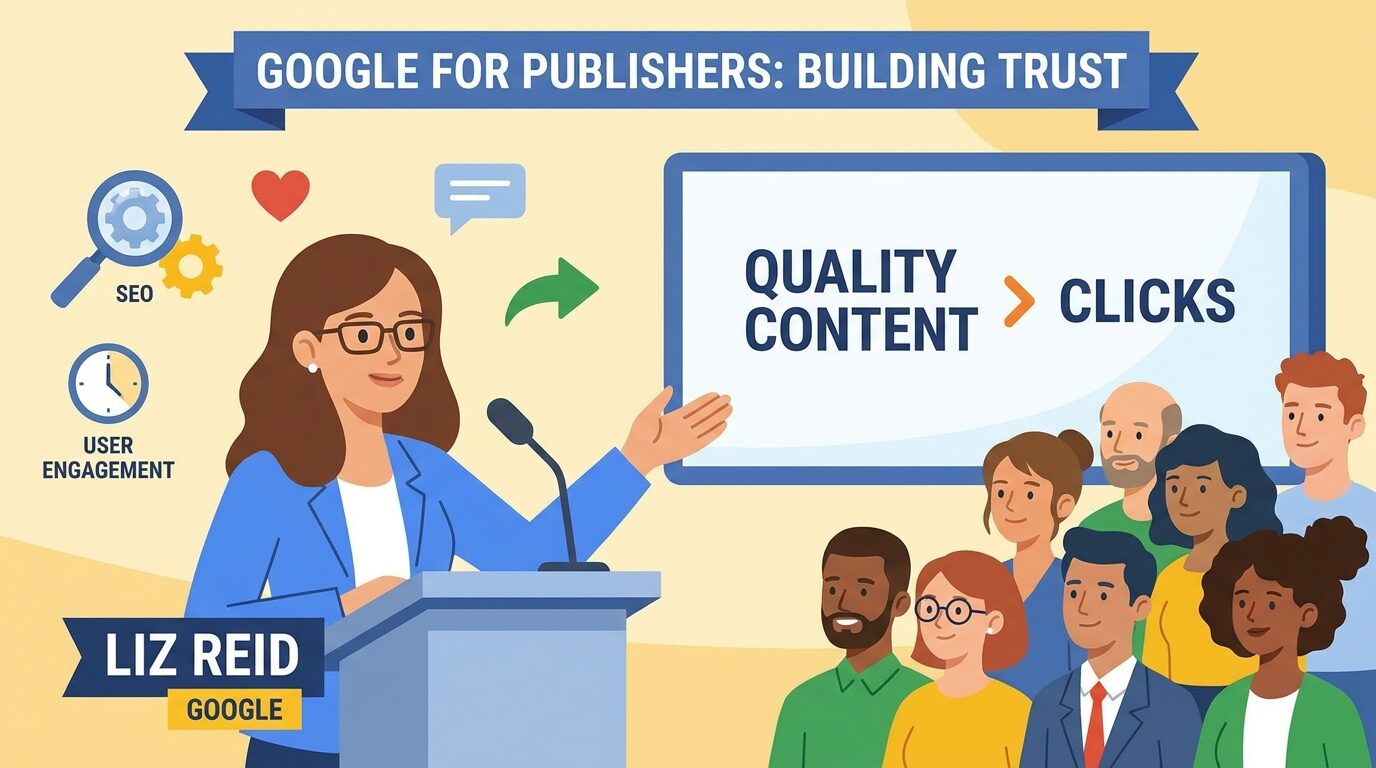
Google’s latest insistence that publishers must create content people want to read marks a decisive shift in how digital creators approach their craft. This directive, emphasized by Liz Reid—a recognized voice on digital content strategy—underscores the imperative to produce high-quality content that offers unique perspectives, going beyond mere keyword optimization to truly engage audiences.
Reid’s counsel aligns closely with Google’s evolving search algorithms, which increasingly reward content that demonstrates expertise, authority, and trustworthiness. According to recent guidance found in a Search Engine Journal report on Google’s content advice, publishers must shift their priorities from creating for search engines to creating for real human demand. This means prioritizing user experience and crafting richer, more valuable insights that resonate with readers.
Liz Reid highlights the challenges publishers face under these new expectations. Many content creators continue to resort to generic, AI-generated articles that lack a human touch or original voice, which neither captivates users nor satisfies Google’s quality standards. By urging publishers to embrace unique perspectives firmly anchored in expertise, Reid’s insights work in tandem with Google’s own public-facing stance on content quality—which, notably, now encompasses understanding searcher intent and behavioral signals.Basic SEO principles become crucial here; it’s not just about keywords but about optimizing content to align with how users seek answers and engage with information. Integrating these SEO fundamentals ensures content is discoverable while maintaining a high bar for quality.
Besides foundational SEO, understanding user behavior data is critical to creating content people want to read. Metrics such as time on page, bounce rate, and scroll depth help reveal whether content truly captivates its audience or falls flat. These insights enable publishers to refine their approach, tailoring content that sustains reader interest and encourages further exploration.
Content promotion emerges as another pivotal piece of this puzzle. Simply creating exceptional material does not guarantee it reaches the right audience. Effective distribution strategies—including social media engagement, email marketing, and collaboration with influencers—can extend content reach significantly. Insights from Google’s AI-powered search trends suggest that integrating innovative search visibility techniques with authentic content messaging will be vital in a highly competitive landscape.
Liz Reid also points out that publishers need to balance SEO discipline with creative storytelling. While technical elements like meta tags and structured data are important, the core value lies in the narrative quality and human touch. This approach not only appeals to Google’s algorithms but also fosters genuine user trust and loyalty.
Successful examples of publishers who create content people want to read often share certain qualities: a clear, authoritative voice; thorough topic coverage with fresh insights; and readability enhanced by engaging formats. These publishers invest time and craft into content, reflecting Google’s own advice to “focus on people-first content” rather than keyword stuffing or duplication.Content marketing strategies that incorporate this philosophy tend to report higher engagement rates and improved search rankings.
Reid’s perspective resonates with recent industry analysis, including detailed discussions in Search Engine Land’s article on Liz Reid’s views regarding AI and user behavior shifts. It reinforces the importance of human-centric content in an era where AI tools proliferate but cannot yet replicate nuanced human storytelling.
In conclusion, the mandate to create content people want to read calls for a refined editorial approach that marries unique expertise with technical acumen and strategic promotion. Publishers willing to evolve in this direction will not only meet Google’s standards but also build lasting relationships with their audiences, establishing themselves as trusted sources in their domains. Achieving this balance demands both a rigorous content development process and a sophisticated understanding of how users interact with digital media.Staying updated on Google algorithm changes is a key part of this ongoing journey, ensuring that content remains relevant and competitive in a fast-moving ecosystem.